

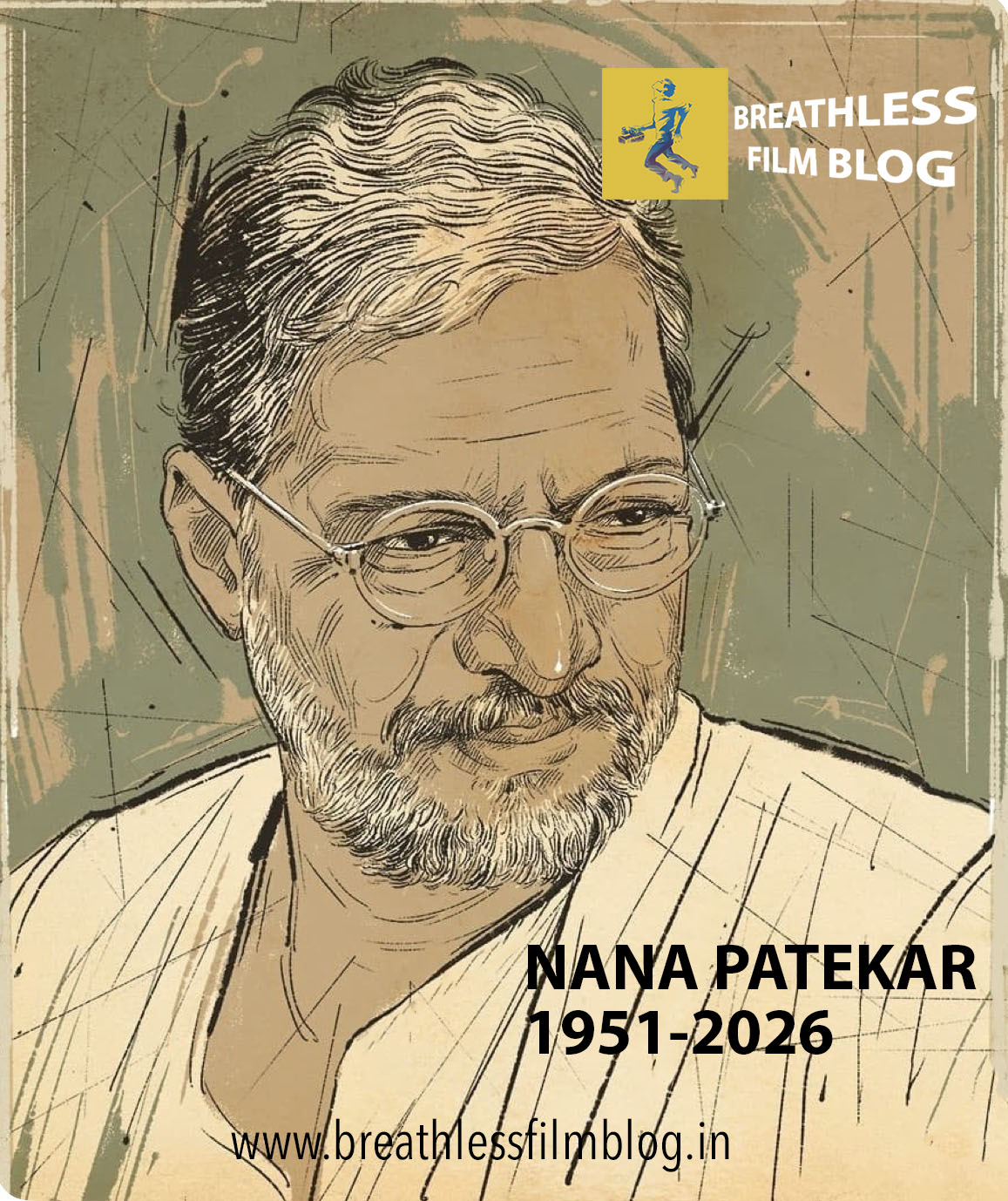
He didn’t come from the system
Born Vishwanath Patekar in Murud-Janjira, he studied painting at the J.J. School of Art and worked odd jobs before Marathi theatre shaped him. His film debut came with Gaman (1978). The stage discipline never left him. Even at full volume, there was control underneath. Painters know composition and theatre people know timing, and he had both.
What he changed
Before Patekar, Hindi cinema mostly offered loud villains and polished heroes. He brought psychological realism to both. His men were wounded, dangerous and strangely human, which is why Ankush (1986), with its raw, street-level fury, still feels current.
He moved freely between Marathi and Hindi, and between small, intense dramas and big commercial releases, with the same seriousness. The budget of the film never set the size of his commitment, and that is worth remembering for anyone making films with borrowed money and borrowed locations.
The work to revisit
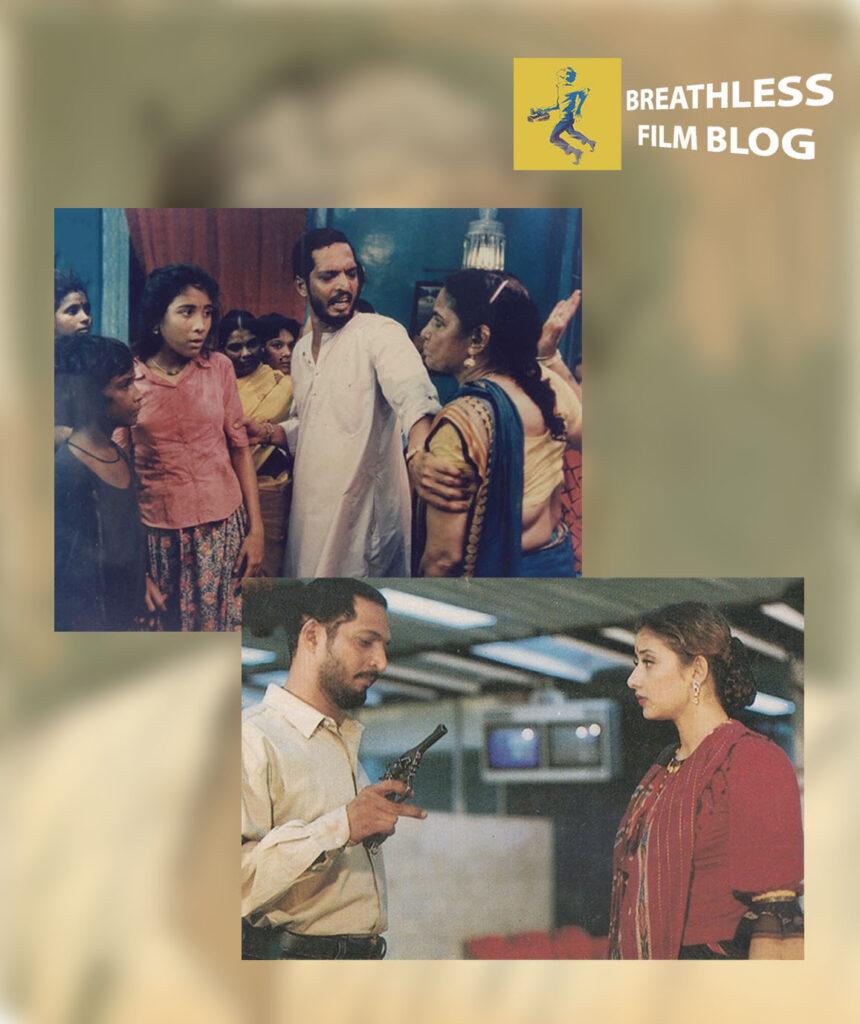
Parinda (1989): Vidhu Vinod Chopra’s Mumbai crime landmark, and Anna remains one of Hindi cinema’s great performances.
Prahaar (1991): He also directed it, a hard look at army training and moral conflict.
Krantiveer (1994): It won him the National Award for Best Actor. A journalist-turned-vigilante’s rage, channelled with theatrical force.
Welcome (2007): Uday Shetty, a gangster with lunatic dignity. Dramatic intensity and comic timing, it turns out, are the same muscle.
Natsamrat (2016): The late-career masterclass, an ageing stage actor unravelling with heartbreaking vulnerability.
The quieter side
Off screen, his best work was quiet. Through the Naam Foundation, co-founded with Makarand Anaspure, he supported farmers’ families in drought-hit Maharashtra. He served in the Territorial Army and lent his services during the Kargil War. And he lived famously simply, in a modest Mumbai flat, when he could have afforded far more.
What indie filmmakers can take from him
- Do less, mean more. A pause can carry a page of dialogue.
- Respect every role. He never played small, whatever the scale of the film.
- Cross the lines. Theatre, parallel cinema, mainstream, direction: he refused to stay in one lane.
- Stay grounded. The work outlasts the persona.
The legacy
The National Film Award and the Padma Shri recognised his stature, but his real legacy is how he reset expectations. He showed that rage can be nuanced, that silence can carry a scene, and that a face and a voice, fully committed, are enough.
This week, go back and watch Parinda, Krantiveer and Natsamrat. Then look at your next scene and ask what it would look like with half the dialogue.